Photo of Steven V. Buckman

Steven V. Buckman practices in the field of insurance law litigating a variety of first-party and third-party actions including, but not limited to, bad faith, coverage questions, declaratory judgments, products liability, trucking insurance, fire and casualty, wrongful death, and catastrophic injury matters.

Fire

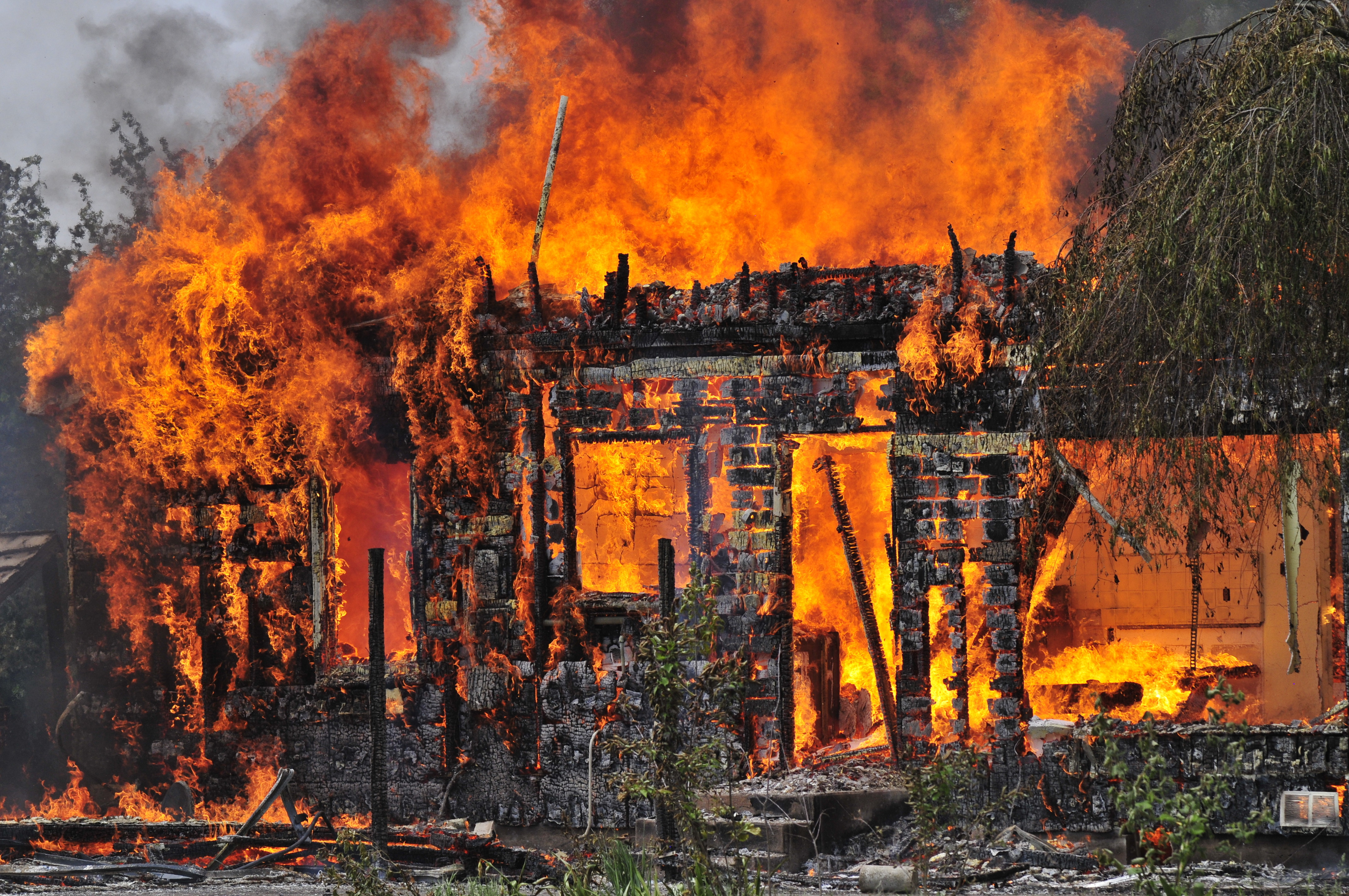
Insurance is intended to protect the insurance company customer (“insured”) from fire damage. The policy holder pays the premium for fire insurance. If the property catches fire, the insurance pays for the losses. Obviously, the customer cannot commit arson. Intentionally burning your house or property is a crime. It is also illegal to present a

Fire2

Insurance claims can be expected from apartment building fires. When an apartment complex is faced with a fire, the consequences can be severe. The damages affect the tenants in the units, the complex owner, the property manager, and the insurance companies that provide coverage for the fire damage.

In a recent fire in Tulsa,

“Captain

Drone

Drones, also known as UAV’s (unmanned aerial vehicles), are becoming a public sensation.  As their popularity grows and more people own them, legal issues have begun to surface.  For instance, beginning on December 21, 2015, the FAA, Federal Aviation Administration, will require drones weighing between 0.55 lbs and 55 lbs, including cameras, to be registered

Earthquake insurance is not automatically included in a standard homeowners policy. However, insurance companies may provide coverage for earthquakes for an additional charge. Earthquake coverage may be purchased as either an endorsement to a homeowners insurance policy or it may be purchased as a separate policy of its own. Over the past few years earthquake

Fires caused by candles result in $390 Million in claims for property loss or damage. It is estimated there are 165 fatalities each year from burning candles. Retail candle sales are increasing every year with a 700% increase in the past 10 years. Women are more likely to be killed or injured in

There is some disagreement between the courts in the way they are interpreting and applying the MCS-90 Endorsement and its relationship to the underlying insurance policy.

The majority of jurisdictions consider the insurer’s obligations under the MCS-90 endorsement to be that of a surety and not a modification of the insurance policy. Under the majority

Plaintiff filed a lawsuit against her automobile insurance carrier, Granite Insurance Company (“Granite”), for breach of contract and bad faith in investigating her insurance claim. Plaintiff also named as a Defendant American International Group (“AIG”), the holding company for Granite. Granite is one of AIG’s subsidiaries. There was no question in this case that the