Fire4

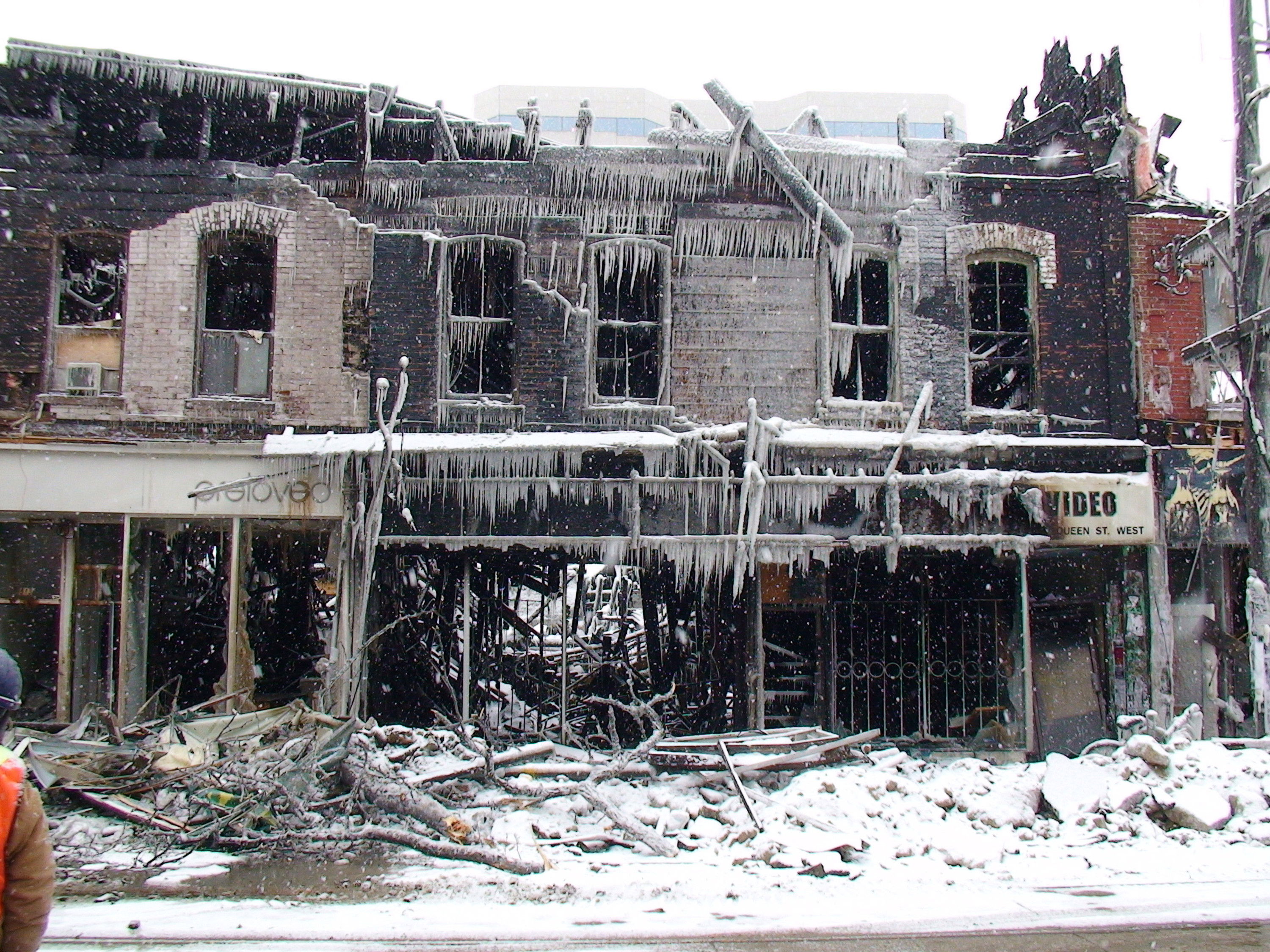
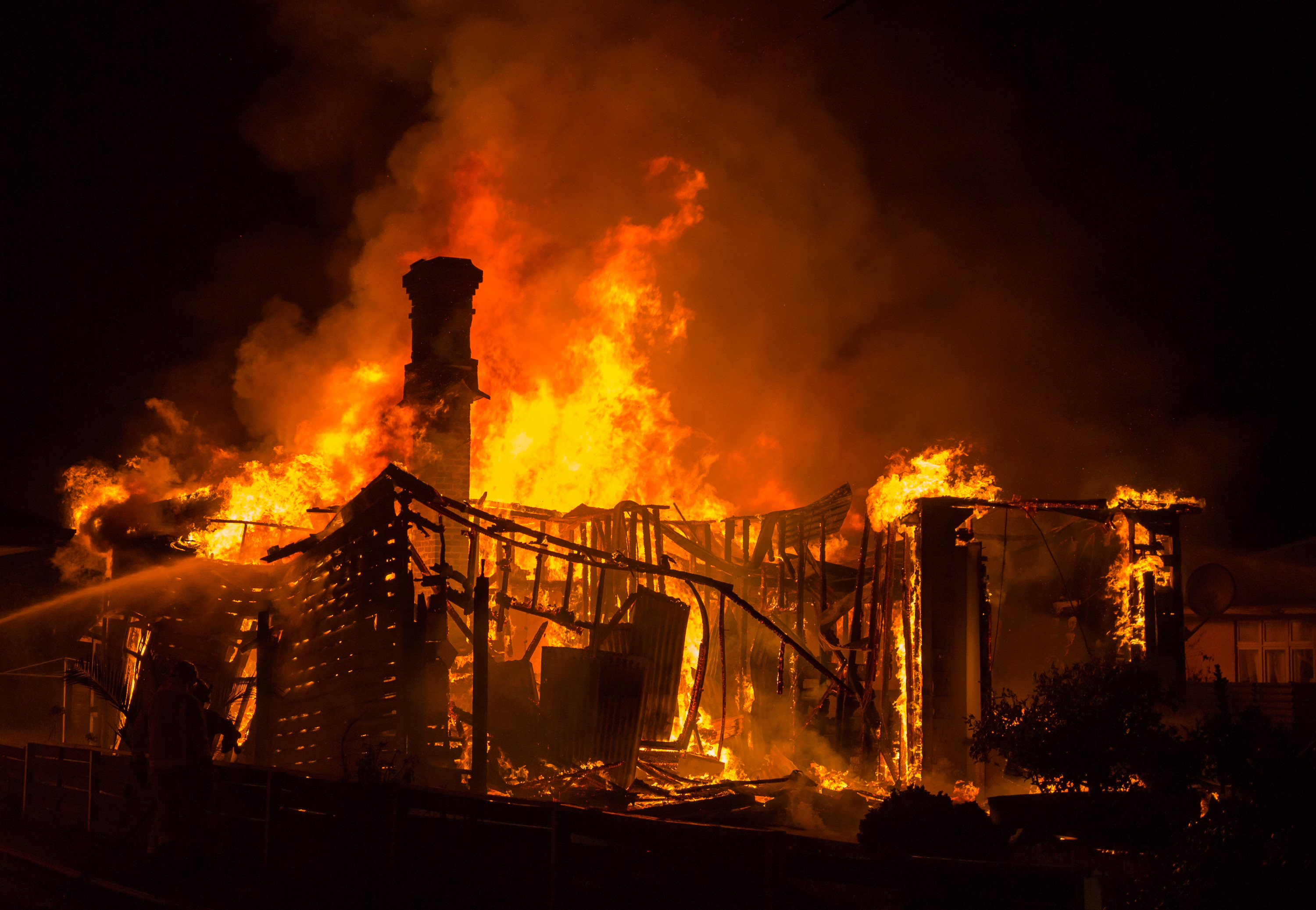
Chimney fires are deadly and devastating to Oklahomans.

Every year fires take lives, homes, and businesses. The cost to the insurance industry is huge because insurance covers most types of fires.

One exception are fires that are intentionally set. Arson is a crime and no insurance policy will cover destroying property deliberately. Therefore, the cause of the fire is always an important factor.

If you’re an adjuster, it’s critical that accidental claims are paid. By the same token, arson fires  set by the insured should be denied. It’s essential to look at the cause for the fire and figure out how it started.

Fires can accidentally start for all sorts of reasons: candles, faulty wiring, fireworks, poor maintenance, etc. Chimney fires are sometimes the result of the wood that you burn. The residue from the wood attaches to the inside of chimney. It acts as an accelerant resulting in an unintended fire.

The cause of the fire is important for claims, but preventing the fire is more so. Certain fires cannot be avoided, they just happen. Some fires, such as chimney fires can be headed off with proper maintenance. It’s a good idea to keep your chimney clean and well maintained.

Ashley Eldridge, Director of Education at The Chimney Safety Institute of America, reports:

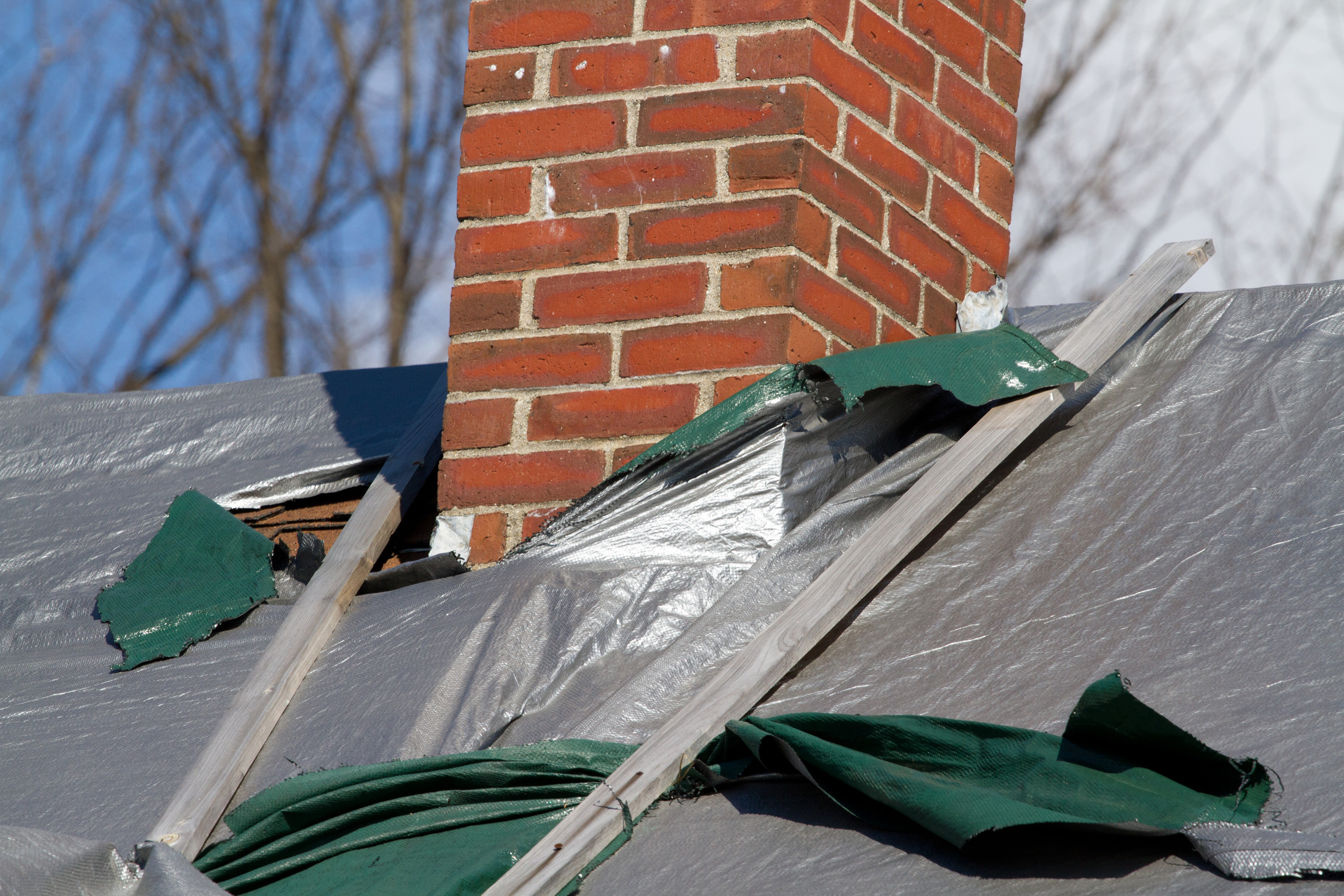
A chimney deteriorated by constant exposure to weather can be a potential safety hazard. Weather-damaged lining systems, flue obstructions and loose masonry materials all present a threat to residents. Regular chimney maintenance is essential to address damage, deterioration and future high-cost repairs.

*                 *                 *                 *                 *

All masonry chimney materials (with the exception of stone) will suffer accelerated deterioration as a result of prolonged contact with water. Masonry materials deteriorate quickly when exposed to the freeze/thaw process, by which moisture that has penetrated the materials periodically freezes and expands, causing undue stress. Water in the chimney also causes rust in steel and cast iron, weakening or destroying the metal parts.

*                 *                 *                 *                 *

Damaging Results of Water Penetration

Water penetration can cause interior and exterior damage to a masonry chimney and, by extension, the community itself including:

• Rusted damper assemblies
• Deteriorated metal or masonry firebox assemblies
• Rusted fireplace accessories and glass doors
• Rotting adjacent wood and ruined wall coverings
• Water stained walls and ceiling
• Clogged clean-out area
• Deteriorated central heating system
• Stained chimney exterior
• Decayed exterior mortar
• Cracked or deteriorated flue lining system
• Collapsed hearth support
• Tilted or collapsed chimney structure
• Chimney settlement

Fires occur when there is not good maintenance. Since some insurance policies have exclusions for damage caused by lack of proper maintenance or routine care, it pays to know what caused the fire. Aside from family safety, a routine inspection of the chimney by a qualified expert is peace of mind in many ways! It protects against fires that don’t have to happen.

Landlords and residential property managers need to protect their tenants and their properties with chimney inspections. Safety is always a primary concern. Civil liability can result in failing to properly maintain chimneys on apartments.

Our Tulsa based law firm has been involved in fire litigation and insurance claims for decades including chimney fires. We have assisted with all types of fire cases, innocent, legitimate claims as well as those with suspicions of arson and insurance fraud. Let us know if we can help you with your insurance claim. Call us 918-940-2222.

smileOklahoma insurance companies are expected to act in good faith. The law requires that claims be handled fairly. The Oklahoma Supreme court has said claims must be timely paid. The Oklahoma legislature passed the Unfair Claims Settlement Practices Act that sets out minimum standards. Adjusters are required to act fairly and comply with Oklahoma law. The consequence is bad faith litigation.

Bad faith claims and lawsuits can be avoided. Good claim practices create good habits. Good habits prevent costly mistakes. Good claim handling isn’t an accident. Here are five ways to ward off complaints, prevent frustration, and steer clear of lawsuits for bad faith in Oklahoma.

1. Smile – does it sound sort of funny? Well, laugh right now while no one is looking. An individual that was highly admired and respected by me once said, “You can say anything to anyone if you say it the right way.” While none of us like to be told “No”, it happens, right? Practice letting the insured know the bad news in a nice way. Regardless of your politics, former President, Ronald Reagan, knew how to say things in a pleasant way. He would smile and say please . . . . He carried a big stick, but he was always polite. He always smiled. You might not like him or what he was going to say, but he was never rude.

2. Show Respect – Use words of respect and courtesy in your speech and your e-mails. Call me old school, but “please” and “thank you” are appreciated. “Yes sir” and “No sir”, may be out of vogue, but they are words that show respect.

Don’t interrupt when someone is talking, let them finish. You may know what they are about to say, but let them say it. Read your e-mail twice before you hit send. Never send an e-mail when you are irritated or frustrated. E-mails always sound harsher than intended. All the more reason to write to policy holders with a mind set of respect for them and their claim.

If you watch the faces of enough jurors in bad faith litigation, you come to understand respect is essential. Jurors understand that people disagree. Jurors disdain being disrespectful. Your e-mails blown up full size and projected on a screen will speak loudly to the jury if you acted in a disrespectful way.

3. Listen – yeah, yeah, yeah! You heard this before. Well, it’s true, listening is important. One of the key components in customer satisfaction is feeling important. The refusal to listen sends a clear message. The person speaking is not important. An interesting side benefit of mediations is for the plaintiff to be heard. The mediator, who seems to be important, listens to them. The ability to talk and get things off their chest is frequently just as valuable to settlement as the amount offered.

4. Help People – don’t adjust claims. The insurance industry talks about adjusting claims. The language emphasized objects rather than putting the focus on people. The business of claims involves real people, not intangible claim files. The “real people” may have damaged property to be replaced or repaired, but they are people, first and foremost.

Helping doesn’t mean just writing settlement checks for the amount requested. It means assistance and frequently includes education. People with insurance claims usually don’t have a lot of experience with claims. They don’t understand the language, much less the concepts of adjusting losses.

Don’t grow tired of taking the time to explain the process. Just like a former teacher from junior high school, you may be remembered as the one person in the entire company that really tried to help them. Years ago, we helped a doctor avoid a malpractice lawsuit. The family was reminded about kind words the doctor had said and how he had genuinely tried to help his patient. Although his mistake resulted in the death, the family recalled the physician really cared. Tears were shed by the doctor along with the family, but suit was never brought.

5. Be Fair – if you owe it, then pay it. Long ago there was an old lawyer that worked as an adjuster in the claim department. He often paid a little more on claims than he had to pay. He didn’t give the company away, but he understood the line between fair and unfair. The balance between fair and unreasonable isn’t necessarily a lot of money. In fact, it seems like a paltry sum once the attorney fee bills for defending the bad faith claim arrive. Treat insureds fairly with the amount you pay. If you don’t, the same old question always comes up. “Would you have paid your mother that amount for her claim?”

Real success in bad faith litigation in Oklahoma isn’t about sending the lawsuit to the best lawyer, it’s about not sending him the work! Oklahoma has a number of excellent attorneys ready and willing to assist with bad faith lawsuits. Attorneys prepared to file the suit on behalf of the policy holder and those willing to fight for the insurance company. Success is not about winning the lawsuit, it’s about avoiding any lawsuit at all!

Our law firm has litigated bad faith cases for decades. We are experienced in insurance litigation. If you want to settle your claims, let us help! Call us 918-587-1525

canstockphoto35291629

The frigid winter weather is back. It has been really cold with the result of a lot of broken water lines from the freezing temperatures. People aren’t used to the really cold weather this year. The past two years have been very mild for Oklahoma with much warmer temperatures than the past few weeks. It has meant Oklahoma plumbers have been really busy and next in line will be the insurance adjusters reaching new claims.

The damage from a broken water pipe can be severe. However, knowing what to do if you come home to find running water from a burst pipe can really lessen the amount of the damage. Tulsa’s Channel 8 reports:

Mullin CEO Robert Morris said a surprising number of people don’t know how to stop a flood until it’s too late.

“The first initial panic is trying to find where to shut the water off and minimize the damage caused by the water leak itself,” said Morris.

He added that we haven’t had serious cold for a couple of years, so we should all make sure our crawl spaces and pipes are well protected.”

The laws of physics always seem to hold true. Cold weather always finds water if it is not protected by a heat source. Running water always tries to find the lowest possible point in its travels. The combined laws of physics mean houses and businesses in Oklahoma have frozen pipes and water damage.

Insurance companies, just like plumbers, are about to get really busy!

canstockphoto16560722

A fire started in a horse training facility that killed 23 horses and destroyed the property. It was reported the fire broke out in the early morning hours. The owner said six employees entered the burning barn trying to save as many of the horses as possible. Owner, Eric Reed, called his staff “heroes“. The newspaper reported there were 13 horses that survived the ordeal.

“Reed said most of the horses that died were yearlings and some were racehorses. He told the Herald-Leader that one of the horses killed in the fire was a 3-year-old filly who recently won $100,000 in a stakes race. Another horse was scheduled to race Monday in Ohio.” You can see the emotional upset in the recorded interview by a local television station.

Fires involving horse training facilities bring various types of insurance claims. A number of  possible claims come to mind seeing the interview of the tragic loss. The various losses that might produce insurance claims are the insured property of the respective owners and also potential liability claims if negligence was involved in the fire or rescue efforts.

In cases where the horses were being boarded as part of the training, the horse owners may have purchased horse mortality coverage to protect their financial interest. Horse mortality insurance comes in several forms that include most risks of loss. Theft coverage is part of some insurance policies. The value of the horse may preset at the time of application for the insurance, but the insurance company probably has a maximum limit of coverage. There may also be exclusions for race horses, certain breeds, or other concerns. Of course some insurers write insurance policies for race horse, hunter jumpers, and the more expensive animals. It an almost certainty the insurance policies will provide for the right of subrogation.

The horse owners’ insurance company may have to pay the loss, but understandably the insurer will want to recoup the amount paid out for the claim. The typical horse training farm will carry general liability insurance. “Liability insurance is available for a variety of equine related activities – ranging from a full scale commercial horse boarding, training and riding instruction operation to the back yard horse owner’s personal pleasure use.” If the insurance company paying the horse owner sues to recover, it will likely trigger the liability policy’s duty to defend. Depending on the facts and policy language, it may result in insurance coverage for indemnification of the loss.

A lot of horse trainers purchase coverage called Care Custody and Control insurance. “This insurance provides coverage for your legal liability for injury or even the death of a non-owned horse that you have in your care custody and control. (This does not include your horses or ones you may be leasing.) If you are in the business of boarding or training horses for others, it is highly recommended that this protection be added by endorsement to your Commercial Liability policy. Coverage may be included for transportation of horses which is incidental to your business.” It is a separate endorsement of coverage under a lot of insurance programs.

canstockphoto10129388The horses are not the stopping point of the insurance claims in a fire to a training or boarding farm. The business suffers the damage or loss of the barns, waters, feeders, supplies, tack, and equipment. The damage can be extensive. Barns are expensive to rebuild and equine equipment and tack are not cheap. It can be difficult to find replacement cost coverage from insurers for equine operations. Insurance written for actual cash value or ACV results in the training or boarding company having “skin in the game” and will result in uncovered losses.

Transportation equipment and vehicles are part of nearly every horse business. The commercial demands of the horse industry require moving horses around the country for races, shows, and events. The trucks, trailers, and semis may be insured by different insurers and mean claims for those losses are adjusted by others.

The losses in this fire were estimated by the owner, Mr. Reed, to exceed $2 Million. Large claims routinely create claims under Umbrella policies. Since the underlying  insurance policies will have a maximum coverage limit, the Umbrella coverage may come into play. If for example, the policy has a $1 Million per occurrence limit, the Umbrella policy may be needed to pay for damages.

It is also not uncommon for the primary insurance company to cede or reinsure part of its own risk. In large losses, the damage may involve reinsurers who will end up paying for portions of the loss encountered by the insurance company that provide the principal coverage to the horse training or boarding farm.

From the initial reports, none of the staff or caretakers of the horses were injured by the fire. In situations where an employee is burned or injured, it may create workers’ compensation claims for the business. Smoke inhalation can turn into a trip to the hospital or even a doctor late in the week. These medical expenses have to be paid by someone. In some jurisdictions, agriculture is exempted from workers’ compensation. If the employee has health insurance, the medical expenses may by paid by private health coverage.

The horse trainer will have a loss of income associated with fire. The people paying to have the horse trained or boarded will no longer be making their monthly training payments. The business will have a reduced amount of income. If business interruption insurance protection was bought, it may offer reimbursement to make up for the lost income. The facility may have borrowed money or have a line of credit for the operation. The bank or lender will expect to be paid regardless of the fire.

The types of coverage, facts and particular circumstances can call for knowledgable legal counsel to address. Coverage questions abound in the horse industry and insurance coverage available. Insurance is sometimes complicated and extensive fire claims are no exception. Retaining an attorney promptly makes sense when the size and extent of a loss are clearly going to result in issues for some time to come.

The reason business purchase insurance is to protect against devastating, unexpected damages from fires, storms, casualty losses, thefts, etc. Fortunately, some of the misfortune can be taken care of.

Fire3Adjusters investigating fire claims have to make a decision. The cause of the fire is important. Accidental fires are usually covered by the policy. Intentional fires are not owed. Did the building owner set the fire? Guess what, arsonists don’t admit readily to the crime. Arsonists don’t make legitimate insurance claims, but they also don’t want to go to jail. Maybe they confess on television and in the movies, but not in real life. Adjusters know the innocent policyholders don’t set fire to their structures. So what’s the problem?

The problem for the adjuster is the bad guys don’t wear black hats. The adjuster can’t tell the bad guys from you just by looking. No honest person wants an arson claim paid. It is immoral, illegal, and raises premiums for all of us. The innocent person says, “I didn’t burn down my house.” But, the adjuster doesn’t know if this is true or not.

Many insurance companies ask, “did you burn your house?” How many people say, “yes”? We don’t know the statistics. The odds are not many admit to doing it. If the answer is “yes I burned my house”, the claim will be denied. So what happens if the answer is no. The adjuster must rely upon other evidence. Ever come home and find your cat sleepy and full? Notice the milk from the left over cereal at breakfast is gone. What’s the conclusion?

Insurance adjusters make assumptions. The facts in a fire loss claim are not always clear. There may be evidence both ways. Some indications may suggest the claim should be paid. Other facts may raise eyebrows and create questions. An insurance adjuster takes all the information and forms a conclusion. If the data suggests the fire was not deliberate, then the decision is payment of the fire damages. If the evidence is suspicious or casts doubts, the claim will be denied.Fire7

Most people have never had a fire. It is a new and highly unusual experience. They desperately wish the fire had not happened. They don’t know what to do. They don’t know where to find good advice. They blunder along through the claim process in an uneducated way. They become their own worst enemy. Just like the sleeping cat, they take a lot of things for granted. They are surprised when the adjuster decides they were involved in starting the fire.

It makes sense to avoid confusion from the very beginning. Trying to fix and explain things later doesn’t work very well. Starting off on the right foot with the adjuster can be the difference between a promptly paid claim and years of litigation. If you don’t think good communication is important, then see how your next job interview goes when you mumble the answers to the interviewer’s questions.

Adjusters want to do the right thing. Adjusters like closed files. The fastest way to close a file is to pay the claim. But, adjusters don’t like to pay the bad guys. Part of the job is to prevent bogus claims. If things aren’t clear that the claim is owed, then doubts can lead to denial of the payment.

Smart people recognize their own limitations. They understand the value of sound advice. They see the need for experience. Smart adjusters seek professional help from the start. Much like the “do it yourself plumber”, things can get worse. The leaky faucet wasn’t spraying water everywhere before you tried to fix it. The insurance claim was just a fire claim until you proceeded without an experienced insurance attorney.

A fire claim is a really bad deal for everyone. Worse yet is a fire claim that could be settled – stuck in years of litigation because a “do it yourselfer” didn’t seek professional help. It is hard to believe but law school and 30 plus years of fire claims does teach you a few things. If you want to try your hand at plumbing, go for it. If you want to do your own legal work, get a second opinion. Thinking about adjusting your own fire loss claim, it’s your choice!

If you need experience with a fire insurance claim, give us a call. It is far cheaper to have a little help early in the claim than a lot of help later. Our Oklahoma attorneys can guide you through the process. Call now 918-587-1525

Fire has recently destroyed numerous business properties and completely shutting down their business operations. The damage is extensive. Almost like death, it is eerie to see businesses in full operation one day are totally stopped the next day.

Flames tore through the Great Smoky Mountains, killing at least three people, scorching hundreds of homes and businesses and sending more than 14,000 fleeing from the resort towns of Gatlinburg and Pigeon Forge.

Tourists and residents scrambled Monday night and early Tuesday to outrun the blaze, which was pushed from the Great Smoky Mountains National Park into the towns by wind gusts of almost 90 mph. Drivers navigating narrow mountain roads shot video footage showing flames swooping in from the shoulders of the roadway at the height of the evacuation.

Real people have their livelihoods at stake in the fire. It is easy to think about businesses as being corporations or conglomerates with large bank accounts and extensive assets. The reality is that even the largest corporations are owned by individuals, “real people” who invested their money to make a profit. While smaller business enterprises are those we tend to think about suffering from with the loss, fire affects all of them.

Most of the business insurance policies we see contain some coverage for loss of business operations. The insurance for loss of income is generally limited in scope, but it is present in a lot of commercial insurance products. The purpose being to aid the insured customer in the event the profit making functions of the company are suspended due to a calamity.

Winter house firePhotographs and news video show all types of companies affected by the fire including apartments, condos, motels, restaurants, stores, shops, art galleries, convenience stores, malls, dry cleaners, car dealers, accountants,  and nearly every kind of business you can imagine. All of these  companies are going to suffer from the loss of income. Some of these businesses will not survive and their doors will never open again.

The more fortunate companies will have adequate insurance to allow them to recover and resume business with time. Fire damage is far more complicated to a business than just the physical structure and the contents. It is normal to think of the burned parts of  the building or the damage to what’s inside. But, when it comes to a business, just having your facility rebuilt doesn’t account for the loss of revenue while the business is closed. Those with suitable insurance are more likely to survive than those without. It is plain and simple economics.

One factor in a large scale event that covers almost 14,000 acres is the increased demand for labor and materials. All of the immediate building materials and supplies in the local geographical area are taken and used within weeks, if not days. The supply chain is stressed to the point there simply isn’t enough materials to make all the desperately needed repairs.

Likewise, the construction contractors in the area suddenly have far more work than they can handle. Construction workers are placed in higher demand, thus driving up labor costs. The bottom line is the cost of rebuilding is more expensive than it would normally be to build the identical property if the fire had not occurred.

While it make sense to expect that construction workers and contractors will come from around the country, there is still added expense. These individuals will need places to stay, eat, and live while the repair and rebuilding is underway. Travel accommodations and increased living expenses must be factored into the overall expense. Ultimately the cost of construction will increase for a time in parts of the country with catastrophic damage.

The affect of this fire will likely take years before things return to normal. The fire was so extensive that the fundamental infrastructure may cause delays.  Large motels, condos, apartments, and buildings of any size take a year or more to design, plan, permit, and build under normal conditions.  The lingering impact to the community will exist for a long time.

The conditions also set the stage for increased business for the courts, arbitrators, mediators, and attorneys. Disagreements over the amount of loss from the business interruption, policy limitations, insurance coverage, exclusions, the amounts of actual damage, and other issues may result in the need for attorneys with insurance experience. Although the vast majority of the insurance claims will be settled amicably, the odds are that a few will find their way to litigation.

Attorneys engaged in fire and insurance claims are found at all stages for the claim process. Business owners may seek legal advice in filling out proof of loss forms and making claims. Insurance adjusters may need coverage counsel to analyze insurance policies for coverage questions. The use of attorneys in fire claims is necessary in many respects.  Fire claims can be complicated and a fire this large will bring all sorts of issues.

Business interruption claims are sometimes the first issue to rise to the dispute stage. The lack of incoming revenue sinks in pretty quickly to the average business  owner and the insured customers will begin contacting their insurance agents or brokers about the need for immediate funds. Those not receiving the answer they want to hear may look for suitable legal counsel to assist them.

The effect of this massive fire is devastating and the impact to the community will be long lasting. But, Americans always rise up to meet and overcome the obstacles that come their way!

water pipes

Oklahoma’s freezing temperatures cause water lines to freeze and break. Most of us think of winter as the accumulation of snow or ice. Ice can be a major cause of damage to a home, but broken pipes is another type of winter weather that creates insurance claims. Is water damage to a house and personal belongings covered by homeowner’s insurance?

Some insurance policies will provide coverage for damage caused by pipes freezing and breaking. However, many insurance policies have important exclusions. For example, some policies state that if the water is not shut off or reasonable steps are not taken to keep the home heated, then there is no coverage. Questions arise. What are reasonable steps to ensure the heat was turned on? What measures were taken to prevent frozen pipes? The circumstances surrounding the freezing of the pipe may be the determining factor in having coverage.

water drippingFor the insured homeowner, it is not fun to wake up or come home from a vacation and find that the plumbing has been leaking. Pipes that froze and burst are usually hidden from view. Preventive measures to help keep pipes from freezing are far better than an insurance claim. Keeping the thermostat above 55 degrees Fahrenheit, leaving the faucet dripping, and opening cabinet doors to allow heat to get to uninsulated pipes are a few ways to help keep pipes from freezing. After the damage, this kind of advice doesn’t fix the damages.

When prevention fails, it is important for both the adjuster and the property owner to understand the insurance policy. Policy language determines coverage initially in the insuring agreement. Exclusions, typically found near the back, take away coverage. Reading contracts isn’t for everyone. Adjusters find lots of aspects more interesting than reading policy language. Only insurance coverage attorneys are twisted enough in their thinking to enjoy reading insurance policies.

Let us know if we can help with your insurance coverage questions about ice accumulation, broken pipes, and those wintertime claims. Winter in Oklahoma is almost here!

Hiring an Oklahoma attorney who is experienced in insurance law is the best way to determine what your policy covers, what the exclusions are, and what the limitations are. Our Tulsa-based law office has an experienced Oklahoma insurance attorney who has reviewed insurance policies for coverage of frozen, burst water pipe cliams all over the state of Oklahoma. Knowing what type of coverage the policy provides or excludes makes claims a breeze. Knowing the coverage about pipe freezes lets you appropriately adjust your insurance claims. The insured needs the answer promptly. The determination may be there’s no coverage. An insured needs the information. While denial may be bad news, at least it provides the information to go forward. Not knowing and waiting is sometimes worse than anything.

If the loss is covered, then the peace of mind over payment is a big relief.

The losses caused by the recent fire are tragic. The number of families affected by the loss of loved ones continues to grow. Countless people have lost friends, co-workers, and been impacted by the lives claimed. The loss of human life carries grief and brings an emotional pain that is impossible to articulate. The fire in Oakland spread quickly and fully engulfed the structure in minutes according to news article accounts. It truly is a horrible event and one that will not be soon forgotten.

Fire devastation

By some accounts, the building was not much. The structure was described as “rickety” by one witness who managed to escape the fire. He reported the stairs felt soft as he headed towards the bathroom that was situated between the first and second floors of the building. Other reports suggest the neighbors had  complained about the building being dangerous and the activities in the building as violating local codes.

Just before midnight on Friday, a three-alarm fire consumed the warehouse during a party at the Ghost Ship, which served as a living and working space for an art collective. The building, which was not zoned as a residential space, was divided into separate rooms by makeshift walls and full of wooden furniture. There were no sprinklers. Just last month it was cited for “illegal structures.” A rickety staircase made of wooden pallets led to the second floor, where fire chief Theresa Deloach Reed said Saturday that most of the initial victims were found. The number is now approaching 40 lost lives.

The structure is undoubtedly a total loss. The fire damage was extensive.

Fire8Fire officials are sorting through the debris for signs of the cause for the fire. Cause and origin is always a concern in fire losses. The foremost reason is prevention. The fire marshall and firemen want to look for ways to prevent a similar event ever happening again.  The fire investigation’s determination as to the cause of the fire also affects others. The business of the post fire work is just beginning. The families will all want to know what caused the fire.

Insurance companies will also be waiting to learn the cause for the fire. With the process of indemnification for the fire losses comes a myriad of decisions about who to pay, coverage, exclusions, subrogation, and assessment of liability for the damages. While insurers are not necessarily bound by the ultimate determination by the investigating officials, it is important to know and understand what the officials decide was the reason the fire started.

The business of insurance for fire claims is involved. The first question every insurer is always the same. Is there coverage for the damage the fire caused? If not, then the insured  customer needs to be timely notified there is not coverage. Assuming coverage is available, the insurer has two objectives related to the ultimate cause of the fire. If the cause of the fire is a covered event, then payment of the claim is triggered. In addition to payment for the loss, the insurer simultaneously is looking for recovery for the amounts paid.

An insurance company is a business, therefore attributing the final financial responsibility upon the accountable party is a business issue. All insurers use subrogation and recovery tools to keep losses to a minimum. Payment for the damages is one task, but recovering what has been paid out is another. Sound fiscal policy requires shifting the liability to the wrongful party to avoid business losses to the insurance company and its other policy holders.

The business of insurance deals with all kinds of human losses and placing responsibility for damages to those that caused the damage. It is a process that sometimes last for years following the event. The damage occurs quickly, but the evaluation of the loss and the associated liabilities takes time and often involves lawyers. Disputes over the issues wind up in legal battles and appeals. The Oakland fire will take a long time for the insurers to sort out the details and resolve and settle the issues.

Those who lost loved ones will endure grief and the misery for far longer as the emotional pain will continue. It is truly a sad time for all of those who lost family and friends in this horrible incident.

Oklahoma fire claims increase during the winter months. Trapped inside, people use friendly fire as a source of heat. Candles are lit for the holidays for atmosphere. Oklahomans enjoy the warmth of a fireplace on a cold day. The fires are all intentionally lit. A sometimes unexpected cause of fire is the common clothes dryer.Candles and Fireplace

The U.S. Fire Administration says:

  • 2,900 home clothes dryer fires are reported each year and cause an estimated 5 deaths, 100 injuries, and $35 Million in property loss.
  • The leading cause of home clothes dryer fires is failure to clean them (34 percent).
  • More home clothes dryer fires occur in the fall and winter months, peaking in January.

House FireThe staggering amount of physical property damage, $35 Million, also impacts Oklahoma insurance companies. It means insurance adjusters are busy investigating fire claims in the winter months. As seasoned adjusters know, determining the cause of the fire is merely the first step. The process of estimating the repairs to the home takes time. The preparation of the inventory of the furniture, clothes, household goods, and contents can be a chore. The average Oklahoma homeowner doesn’t have a prepared inventory of all the things in the house. Remembering what they did own isn’t always easy. Adjusters are kept busy.

Fires from clothes dryers tend to occur more often in the winter:

Lint, consisting mostly of small fibers from the clothes and debris in or on the clothes, is created from the clothes as the clothes tumble in the drum. While much of the lint is trapped by the dryer’s filter, lint is also carried through the vent system along with moist air. Lint is a highly combustible material that can accumulate both in the dryer and in the dryer vent. Accumulated lint leads to reduced air flow and can pose a potential fire hazard.

Lint

Lawsuits over fire claims is a fact of life. Insurers and insureds don’t always agree on the scope of loss, cost of repairs, additional living expense, and the meaning of the words in the insurance policy. Lawyers help interpret the language of the policy. Not all attorneys work in the fire and insurance claim arena. Expertise matters when it comes to reading and understanding an insurance policy. You need experienced counsel to guide you.

Litigation also arises from subrogation or recovery efforts. Smart insurers are going to recover the money paid to the policyholder. Fire claims are expensive. Asking the responsible person to reimburse the insurance company for the loss makes sense. In the case of clothes dryers, the installer may be asked to pay the damages. An installer who negligently sets up the dryer is going to owe the damages.

If you need assistance with a fire, insurance policy interpretation, bad faith claim, arson investigation, coverage dispute, proof of loss issue, examination under oath, or subrogation, give us a call (918) 587-1525. We handle fire losses in Muskogee, Bartlesville, Claremore, Bristow, Tulsa, Oklahoma City, Lawton, and work the entire State. We would like the opportunity to help you!

Confused

We have pointed out in the past that many people don’t speak the language of “insurance”.

No different than medicine, the insurance industry has terms and words that have a specific meaning. If you don’t speak the language, then you don’t understand what was said.

An apartment complex owner learned this lesson the hard way. He trusted his agent to give him the coverage that he needed. The details in this Ohio case are below. We see mid-size businesses make this same mistake all the time.

The facts are simple. The apartment owner “owner” set up an LLC or limited liability company. The company purchased a $14 Million apartment complex. Owner signed a personal loan guarantee to obtain the loan. He relied upon his insurance agent to get him good coverage.

Winter Roof DamageThe winter brought heavy accumulations of snow and ice resulting in collapse of several roofs in the area. He assumed the insurance policy gave him coverage for the roof, interior property damage, and lost rental income. An insurance claim was reported to State Farm, the insurance company. State Farm denied payment due to an exclusion in the policy. Dissatisfied with State Farm’s decision, owner filed a bad faith lawsuit. He also sued his agent for negligence in not getting him the right kind of insurance. After a lot of lawyer expense, owner lost the case. Then he spent more time and expense, then lost the appeals.

The time to understand your insurance coverage is BEFORE a claim, not after. We stress this to businesses all the time. Have an insurance attorney look over your coverages. Learn what you purchased and what you didn’t. An insurance policy is a contract. It says what is covered and what isn’t. Waiting until there is a claim is like the ostrich sticking his head in the sand.

The agent selling the insurance makes his living selling insurance. He is not a specialist in your industry or your line of work. He’s also not a lawyer. While he may understand insurance concepts and coverages, his primary goal is college for his kids, soccer cleats, and the same comforts you want for your family. He has to sell insurance to put food on the table. Most importantly, the duty he owes to the customer is limited.

The court in Priore v. State Farm explained an insurance agent doesn’t have a duty to tell you all the coverages you could buy:

. . . although the law “recognizes a public interest in fostering certain professional relationships, such as the doctor-patient and attorney-client relationships,” courts have determined that the relationship between an insurance agent and client does not rise to the same level of importance. . . .

Although a fiduciary relationship may be created out of an informal relationship where both parties mutually understand that they have entered into a special trust or confidence . . . we concluded that the parties’ relationship amounted to “nothing more than an ordinary business relationship between insurance agent and client,” and that the insured “was in the best position to know how much coverage it needed.”

The court pointed out there is no duty for the insurance agent to contact the customer regarding deficiencies in the policy that only the policy holder contemplated as necessary and did not make this necessity known to the agent.

Apartment and commercial building owners should pay attention. Insurance coverage is essential. You want your business protected. Here’s the bottom line:

  • Your Insurance Agent Is Not A Lawyer – your insurance agent is definitely a great guy, but he is just a salesman. He is not licensed to practice law. Sure he knows some things about insurance, but he stays in business only by selling insurance. He may not have a duty to tell you the deficiencies in the policy he is selling.
  • Insurance Coverage Attorneys Exist For A Good Reason – competent coverage counsel understands insurance policies and can explain the coverage in the policy. In the case above, owner had $14 Million at risk. Spending a few thousand on a competent attorney with knowledge of insurance would have been wise investment.Insurance Agent
  • Knowing The Coverage You Don’t Have – the coverage in the insurance policy is not really what is important. The lack of coverage is what causes the problem. You shouldn’t blame the insurance company if it never agreed to provide the coverage.
  • There’s Power In Knowledge – knowing the deficiency in the coverage let’s you plan ahead. You can shop for other coverage through another insurer. You can negotiate or ask for the coverage you want. Even if no insurer sells the coverage you need, alternatives exist such as setting up a captive insurance company or setting aside a special bank account with special funds.
  • Your Insurance Agent Is Your Friend – he may even be your brother-in-law! He regularly takes you to lunch. He laughs at your jokes and sends you a birthday card every year. He got you that really nice sweater for Christmas! Enjoy the friendship! Make him buy you a really expensive lunch! Don’t use him as a coverage attorney! He’s not one!

Our law firm represents insurance companies as well as all types of medium size businesses concerning questions of insurance coverage. We recommend our business clients let us review their coverages on a yearly basis. No one likes litigation and especially over insurance coverage. Avoid the coverage lawsuit by retaining an Oklahoma insurance attorney to help you understand the coverage. Who knows, we might just buy you lunch, there’s a McDonald’s just down the road! Call Us!